

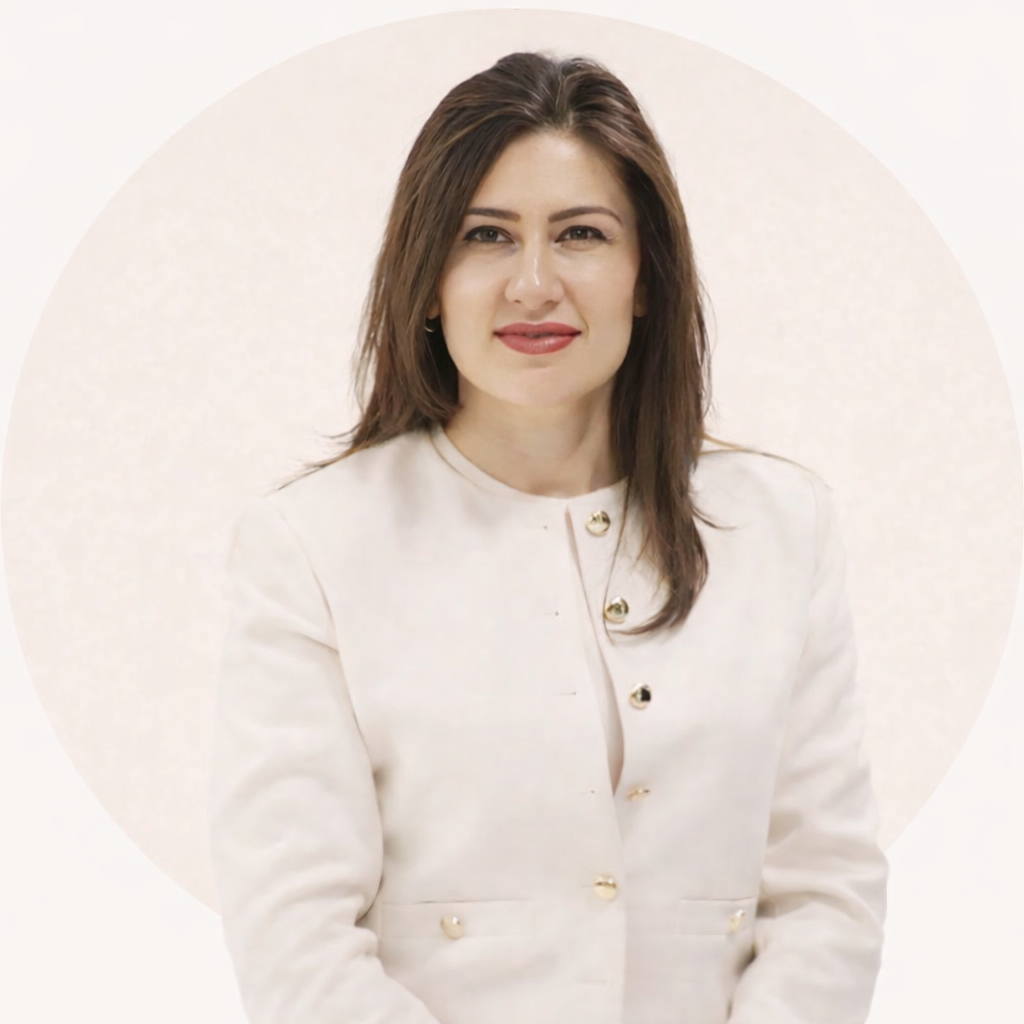
Transform your team's potential into tangible results
I am Astghine Khachatryan- coach, conflictologist, corporate trainer, and EMBA graduate. I combine psychological insights, a business mindset, and 10 years of management experience to create practical organizational development programs. I help build effective, collaborative, and engaged teams, as well as strong leaders.
Free consultationPartners



Do these situations sound familiar in your organization?
- Hidden tensions and unresolved conflicts that disrupt teamwork.
- Leadership challenges: overwhelmed managers and a critical need for leadership skills development.
- Stress, exhaustion, and the risk of professional burnout.
- Communication gaps leading to misunderstandings, errors, and wasted time.
- Need for development programs that deliver tangible behavioral change, not just theoretical knowledge.
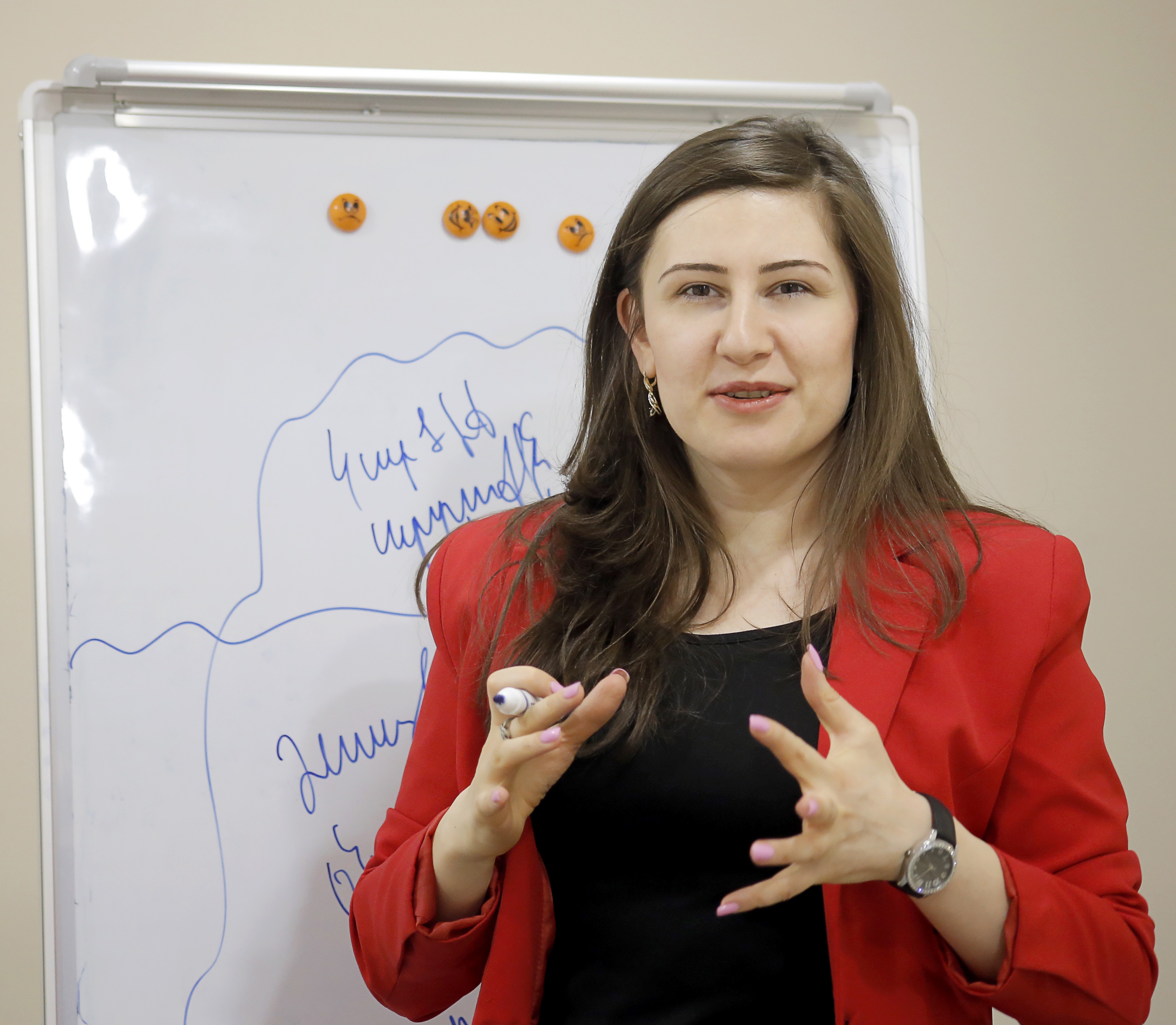
Science, Experience and Human Approach
I am Astghine Khachatryan -an EMBA graduate, coach, conflictologist, and the founder of "Effectiva" Psychological Center. I bring 10 years of experience in commercial management alongside 5 years of managing a psychological center.
My proprietary programs are built upon 4 core principles:
The Integration of Business and Psychology
I combine the strategic business mindset of an Executive MBA with the tools of Cognitive Behavioral Therapy (CBT) to ensure real transformation in both mindset and behavior.
A Coaching Approach
I utilize tools that empower leaders to enhance self-awareness, emotional resilience, and effective leadership behaviors.
Real-World Business Experience
Drawing from my 10 years of leadership and training experience, I have an insider's understanding of the root causes behind team crises, workplace conflicts, and professional burnout.
Adult Learning Principles (Andragogy)
All programs are structured around experiential learning, ensuring that knowledge is effectively translated into actionable skills and tangible business results.
Russian Version
What is the Formula for Success?
Research by the Carnegie Institute of Technology shows that roughly 85% of financial success in a career is driven by interpersonal, communication, and behavioral skills (Soft Skills), while only about 15% comes from technical knowledge.
How do we deliver that 85% result?
We translate theoretical knowledge into real, sustainable behavioral change.
Our 3 Core Tools:
Corporate Training
Educating teams and developing essential soft skills through hands-on, practical application.
Professional Coaching
Transforming the mindset of leaders and teams, while overcoming internal limitations and mental blocks.
Hybrid Solutions
Comprehensive, end-to-end programs—from initial diagnostics to deep and lasting improvement of the company's communication culture.

The programs I design
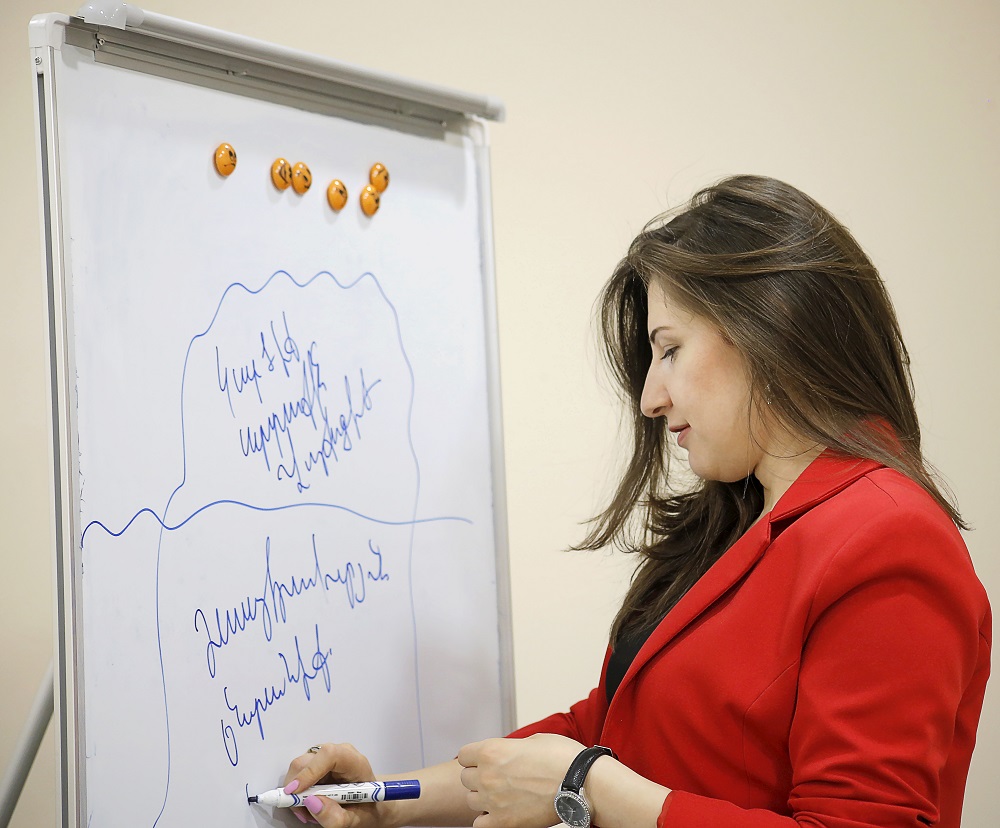
Each program is tailored to the organization's goals, employee needs, and desired business outcomes
Programs designed to develop leadership, management, and communication skills for executives / managers:
- Effective Leadership
- Leader as a Coach
- Delegation and Accountability Management
- Feedback Culture
- Crucial Conversations
- Team Motivation and Engagement
- Conflict Management for Leaders
- Change Leadership
- Emotional Intelligence for Leaders
Programs designed to improve team collaboration, communication, and work environment.
- Effective Communication
- Constructive Conflict Management
- Developing Team Collaboration
- Building Trust in a Team
- Psychological Safety
- Managing Resistance to Change
- Cross-Functional Collaboration
- Emotional Intelligence in a Team
Programs for sales, service, and effective client relationship development.
- Effective Sales Skills
- Negotiation Skills
- Handling Objections
- Dealing with Difficult Customers
- Service Culture
- Psychology of Sales
- B2B Communication
- Customer-Centric Mindset
Programs designed to develop an employee's personal effectiveness and psychological resilience.
- Time and Energy Management
- Motivation
- Stress Management
- Burnout Prevention)
- Self-Regulation
- Emotional Intelligence
- Self-Awareness
- Effective Decision-Making
- Personal Responsibility
Programs designed to support organizations during times of change, growth, and the shaping of a new culture.
- Change Management
- Overcoming Resistance
- Organizational Communication
- Corporate Culture Development
- Onboarding for New Managers
- Team Restructuring
- Building a Culture of Collaboration
Designing Learning Systems
- Training Needs Analysis (TNA) (կամ՝ Learning Needs Assessment)
- Leadership Development Systems
- Competency Development Programs
- Developing Learning Roadmaps
- Training Effectiveness Evaluation
- Train the Trainer / Internal Trainer Development
- Corporate L&D Consulting
Delivery Formats
- Workshops
- Facilitation Sessions
- Strategic Sessions
- Team Development Programs
- Business Games and Simulations
- Masterclasses
- Executive Coaching
- Team Coaching
-
 Diagnostics
Quick assessment of the team's problems, "pains" and expectations.
-
 Personalization
Adaptation of methods and programs to your specific team.
-
 Practical workshops
Games, role-playing, situational analyses.
-
 Continuous assessment
Measuring results and planning further steps (Follow-up).
What will change at the end of the program?
For the organization:
✔Increase in productivity
✔ Improving team effectiveness
✔ Measurable ROI on training
✔ Corporate culture development
For the Individual/Manager:
✔ Leadership skills development
✔ Effective team management
✔ Conflict and change management
✔ Applying a coaching approach
Video


Coaching, Leadership, Soft Skills, Micromanagement
Corporate training and coaching

How to avoid professional burnout?

How coaching transforms the organization?

Workplace conflicts

How does motivation work?
Words from my Clients
 Lusineh Harutyunyan
Hematologist
 Arman Suleymanyan
Director of Wish Up Academy
Frequently asked questions
The main difference between training and coaching can be put very simply: training provides ready-made tools and knowledge from the outside, whereas coaching helps a person find their own solutions from within.
Key Differences:
1. Focus and Direction of the Process
Training (What to do and how to do it?): The focus is on the trainer and their expert program. The trainer acts as an instructor, delivering specific skills, techniques, and algorithms (e.g., the 5 stages of sales or feedback models).
Coaching (Who am I and what is my best solution?): The focus is on the client (the leader or employee). The coach does not teach or give advice; through powerful questioning, they help the individual unlock their potential, see their blind spots, and independently develop an action plan.
2. Format and Scale
Training: Usually group-based (though it can be one-on-one), with a clear structure, script, and timeline (e.g., a 2-day intensive workshop).
Coaching: Primarily individual (individual coaching) or focused on the synergy of a specific team (team coaching). It is more flexible and conducted as a series of sessions for long-term transformation.
3. Outcome
Training: Participants leave with new knowledge, skills (hard/soft skills), and a toolkit ready to be applied in their work.
Coaching: Participants leave with a new mindset (mindset shift), a high level of accountability for their decisions, and clear internal motivation.
In a Business Context:
If a team needs to learn how to operate a CRM system or conduct negotiations, we choose training.
If a leader knows all the tools but faces internal barriers, struggles to make decisions, or wants to develop their leadership style, we choose coaching.
The best result in a corporate environment is achieved through the synergy of both, where training is followed by coaching support to sustain and embed the newly acquired skills.
Yes, absolutely. We begin every collaboration by diagnosing the internal challenges of the team and the company. We don't use ready-made templates; the program content, case studies, and role-plays are tailored specifically to the nuances of your industry, your team's pain points, and your priority business goals.
The duration is customized and depends on the team size and the results of the initial diagnosis. Short-term training sessions focused on developing specific skills can last a few days. On the other hand, comprehensive programs that drive a fundamental shift in organizational culture (Diagnosis + Training + Executive Coaching) typically last up to 6 months to ensure a stable and long-term result.
For team training, practical workshops, and role-plays, the offline (in-person) format is most effective — either at your office or at our center. However, individual coaching for leaders, as well as certain components for remote teams, can be successfully delivered online.
We work with a system of clear deliverables. Before and after the program, we assess the team's psychological climate, professional burnout levels, and conflict rates. At the business level, results are measured by a sharp reduction in intra-team disputes, faster information flow between departments, increased employee energy, and a lighter workload for the leader when it comes to resolving internal conflicts.
5–25 participants, depending on the topic and format.
My gift to you
I have prepared a special offer
"Team Health Express Checklist"
Find out in 5 minutes whether there are "hidden mines" in the form of conflicts in your team.
Or, apply for a free consultation and let's discuss potential challenges and solutions together.
 Download Checklist


